Ideas are spread across loose pages
Ideas are spread across loose pages: a task-based checklist covering game material, table footprint, session inventory, item fit, setup and purchase checks.
Read the checklistWork through a specific fantasy scenes and tabletop projects task: record the constraints, compare the options, then choose what the job actually needs.
Ideas are spread across loose pages: a task-based checklist covering game material, table footprint, session inventory, item fit, setup and purchase checks.
Read the checklistA writing desk has distracting clutter: a task-based checklist covering game material, table footprint, session inventory, item fit, setup and purchase checks.
Read the checklistReference files lack a common location: a task-based checklist covering game material, table footprint, session inventory, item fit, setup and purchase checks.
Read the checklistObjects from imagined worlds
Read the scene, meet its characters, and find a place for fantasy in the things you make and collect.

THE REALM NAVIGATOR
Begin with a landscape, a small scene or a character detail. Use it to choose what to read and collect next.
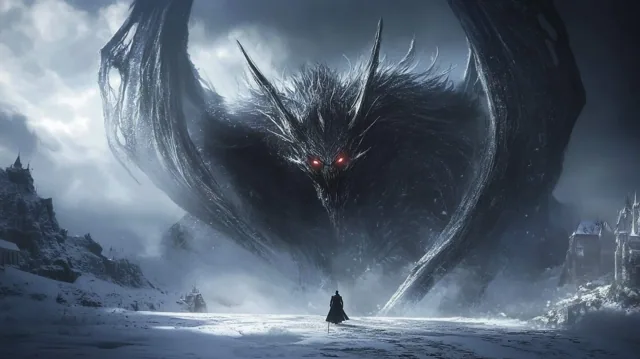
Start with scale, light and the feeling of a place.
Explore Fantasy art objects ↗THE COLLECTION
These collections are being planned and are not on sale. Images are concept artwork; specifications and rights remain to be confirmed.
Landscape relief concept exploring how paths, height changes and a focal landmark could tell a story on a small surface.
What lies beyond the doorway? A miniature-scene concept using an entrance, surrounding structures and a viewing angle to suggest a larger world.
A wearable-symbol study comparing motif size, placement and the balance between a recognisable detail and an everyday outfit.
An object concept drawn from Sanjiesan visual references. The study keeps established character identities and world rules intact.
IN THE JOURNAL
Practical reading for fantasy art, reference boards, and small scenes. Start with what an image actually shows, then decide what belongs in your own project.
Miniature planning
A paper figure exposes scale contradictions before an illustrated gateway becomes a model.
Read the guide ↗BUYING GUIDE
Compare the model, base and extended parts against the real display opening.
Read the guide ↗FROM THE ARCHIVE
SANJIESAN ORIGINAL UNIVERSE
Explore the official character, worldbuilding and visual archives. Character identities remain distinct from alternate artwork; concept art does not establish merchandise rights.
BEFORE YOU BEGIN
Use it to study composition and mood. A single view rarely supplies dependable dimensions, hidden surfaces, or construction details. Make a rough layout first, and check the image's reuse terms before publishing a derivative project.
No. Character identity, alternate artwork, and merchandise concepts are separate records. Use the established identity reference; an image alone is not evidence of a new card identity.
Include an overall scene, a material detail, a light reference, and a scale cue, with a note beside each explaining its purpose. Keep the source and usage terms attached to every image.
SANJIESAN · FURTHER READING
A convincing fantasy image can suggest an entire collection without proving that a physical item exists. Follow this guide to distinguish original world art, a product concept and a documented collectible before treating a visual idea as something to own.
Read about worlds and product records ↗Start with the slowest or most awkward step in fantasy scenes and tabletop projects. Check what existing items can do, then buy the item with a clearly defined job before adding accessories.
Keep game material, table footprint, session inventory in one checklist. Add usable dimensions, existing device versions and the intended location. Resolve unknowns from instructions rather than estimating size from photographs.
Choose by delivery address. Each entry uses the corresponding Amazon marketplace link. Check currency, seller, delivery and returns on the selected marketplace.
These are item-by-item shopping plans rather than a single bundled SKU. Buy only the parts you need; inclusion in a plan does not establish compatibility or imply that fittings are included.
Model searches help compare a named product; category entries let you choose specifications. A result does not establish the seller, availability or lowest price. Confirm the variant before ordering.
Keep packaging and order records, follow the instructions and repeat the original task. Check access, circulation and unnecessary steps. Revisit placement and specifications before buying more.
LET’S MAKE WHAT COMES NEXT
For suppliers, creators and brands. Tell us what you have in mind and where you work.


